

By Eric Acha – Political and Policy Analyst
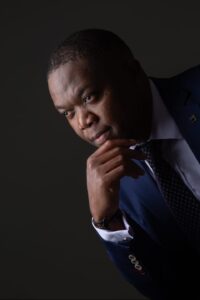 Yaounde – Cameroon is once again on the brink. Opposition leader Issa Tchiroma, who is widely believed to have won the country’s October 2025 presidential election, has issued a 48-hour ultimatum to President Paul Biya’s government demanding the release of all political prisoners detained after the disputed polls. His statement, delivered with unmistakable conviction, represents more than just a political challenge, as it signals the most serious legitimacy crisis faced by the Biya regime in over four decades.
For a country accustomed to carefully managed (or rather staged) elections and predictable outcomes, this moment feels different. Cameroon’s long-standing political order, built around Paul Biya’s dominance since 1982, is showing visible cracks. What began as post-election tension has evolved into a direct confrontation between an ageing regime clinging to power and an emboldened opposition determined to claim what it believes is an electoral victory.
A New Tone of Defiance
Issa Tchiroma’s ultimatum is remarkable for its tone. In a country where opposition figures have historically appealed for justice rather than demanded it, his words suggest a profound shift. A former minister and longtime political survivor, Tchiroma knows the inner workings of the Biya system intimately. His decision to challenge it so openly signals that the opposition is no longer content to play by rules written to ensure its perpetual defeat.
Yet, the use of an ultimatum is a risky gamble. It may energize a population frustrated by decades of repression and economic stagnation, but it could also provoke a harsh response from a regime that has survived precisely by suppressing dissent. The Cameroonian government, which still commands significant loyalty within the military and security forces, is unlikely to yield to demands issued under pressure.
The Crumbling Legitimacy of a Long Reign
At the heart of this confrontation lies a deeper issue: the crumbling legitimacy of Paul Biya’s rule. Now 92 years old, Biya has presided over Cameroon for 43 years, longer than most of its citizens have been alive. His reign has been characterized by controlled elections, patronage politics, and institutional inertia. But this time, the old playbook may no longer work.
Reports from independent observers and leaked exit polls suggest that Tchiroma may indeed have outperformed Biya at the ballot box. The government’s prolonged delay in announcing official results, coupled with mass arrests of opposition supporters, has only strengthened suspicions of electoral manipulation. Even among Biya’s traditional allies in the ruling CPDM party, whispers of fatigue and uncertainty are growing louder.
Internationally, Cameroon’s credibility is at stake. The African Union and key Western partners, including the European Union and the United States, are watching closely. The country’s stability has long been valued over its democracy, but the two may no longer be separable. A violent breakdown in Cameroon would reverberate far beyond its borders, destabilizing Central Africa’s fragile security architecture.
A Dangerous Convergence of Crises
The timing of this political showdown could hardly be worse. The Anglophone regions remain tense after years of separatist conflict; the Far North continues to grapple with jihadist violence; and across the country, unemployment and inflation have eroded public trust. A disputed election layered atop these multiple crises creates a combustible mix.
If the government dismisses Tchiroma’s ultimatum and intensifies arrests, it risks pushing the opposition underground or into the streets. Conversely, if Tchiroma’s supporters interpret the ultimatum as a call to mass mobilization, the potential for bloodshed is real.
The Path Forward
Cameroon’s political future now hinges on restraint and dialogue. The Biya government must act swiftly to de-escalate tensions: releasing peaceful detainees, restoring access to independent media, and allowing an impartial audit of the vote. These steps would not only defuse public anger but also signal a willingness to respect democratic norms.
For his part, If Cameroon had functioning independent institutions, Issa Tchiroma should have been advised to channel his claim for legitimacy through institutions and negotiations, not confrontation. Transformative change in Cameroon will require courage, but also discipline, the wisdom to balance resistance with restraint.
The next 48 hours may well define the trajectory of Cameroon’s future. Will it mark the beginning of a peaceful transition, or the descent into yet another cycle of repression and instability? The answer lies in whether the country’s leaders, both old and new , can rise above the politics of survival and choose the path of national renewal.
