

Here are some suggested headings for your <div>:
1. The Erratic Water Cycle: A Global Concern
2. Understanding the Impact of Climate Change on Water Resources
3. The State of Global Water Resources: Trends and Challenges
4. Addressing Water Imbalances: Insights from the WMO Report
5. The Consequences of an Unstable Hydrological Cycle
Feel free to choose one or modify it to better fit your content!
Global Water Cycle Faces Unprecedented Imbalances, Warns WMO
By Mike Carmon, Meteored United States
September 23, 2025
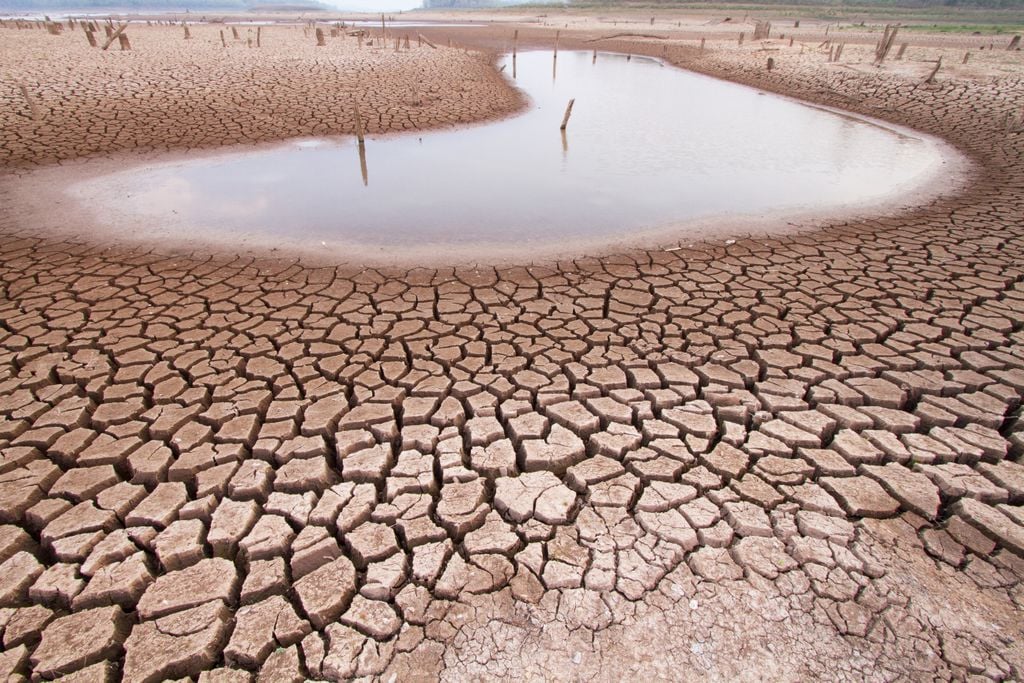
The ongoing megadrought in the Southwest U.S. is part of a global pattern of increased imbalances in the water cycle. These events place added stress on river basins like the Colorado and Rio Grande.
The World Meteorological Organization (WMO) has released its latest State of Global Water Resources report, revealing alarming trends in freshwater availability worldwide. This year marks the sixth consecutive year of significant imbalances in the global water cycle, highlighting a growing crisis that demands urgent attention from policymakers and communities alike.
Glacier Loss Signals a Critical Turning Point
The report indicates that 2024 was the third consecutive year of widespread glacier loss, with many monitored glaciers reaching their critical peak water point. This pivotal moment signifies a shift from increasing to decreasing runoff, a clear indicator of glacial retreat. Regions such as Alaska, the Cascades, and the Rocky Mountains, which depend heavily on glaciers and snowpack for water, are likely to experience shifts in the timing and quantity of summer flows as glacier melt diminishes.
Groundwater and Reservoirs in Distress
Groundwater levels are also under severe strain, with only 38% of wells globally reporting normal levels in 2024. The Colorado River Basin and California’s Central Valley are particularly vulnerable, facing significant soil moisture deficits even in areas not officially classified as drought-stricken. As surface water stress increases, the burden on groundwater resources intensifies, raising concerns about long-term sustainability.
In stark contrast, Florida experienced a rise in groundwater levels due to wetter-than-normal conditions, exacerbated by increased flooding from mid-latitude cyclones and hurricanes.
A Year of Extremes: Floods and Droughts
The frequency and intensity of floods and droughts surged in 2024, with the U.S. experiencing 27 separate weather and climate disaster events, each causing at least $1 billion in damages. Notably, Hurricane Helene’s landfall resulted in a historic flood disaster in North Carolina, costing an estimated $79 billion. Meanwhile, drought conditions worsened across the South and Southwest, exposing U.S. water infrastructure to heightened risks.
The WMO emphasizes that these extremes not only threaten water supply but also increase the risk of water quality issues, which could have detrimental effects on human health and ecosystems. The organization calls for enhanced adaptability in water system infrastructure and ongoing data observation to facilitate informed decision-making.
The Path Forward
As the global water cycle becomes increasingly erratic, the need for robust monitoring and collaboration in data sharing is more critical than ever. The WMO urges governments and organizations to invest in water resource management and infrastructure to mitigate the impacts of these alarming trends.
In a world where two-thirds of rivers have experienced significant fluctuations in water levels over the past six years, the question remains: How much water is too little, or too much? The answer may determine the future of water security for millions around the globe.
For more insights, read the full report here.
Stay informed on the latest developments in climate and water resources by following the WMO on Twitter.
