

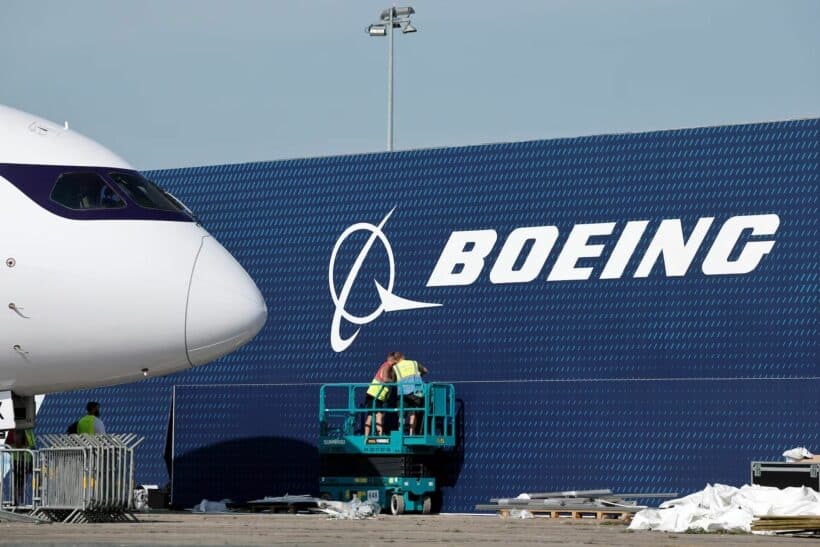
NAIROBI – Africa’s commercial aircraft fleet is on the cusp of significant growth, with projections from U.S. planemaker Boeing anticipating that the fleet will more than double by 2045. This anticipated expansion comes against a backdrop of urbanization and a burgeoning young population that is poised to increase travel both within the continent and to the Middle East.
One of the key drivers for this shift is Africa’s demographic landscape. The continent is home to one of the fastest-growing populations globally, with a median age of just 19. This youthful demographic is not just a statistic; it represents a dynamic consumer base that is increasingly seeking mobility and connectivity. As cities expand and middle-class incomes rise, more individuals are likely to step onto airplanes, whether for business, leisure, or familial connections.
In many African nations, air travel is becoming more accessible. The introduction of low-cost carriers has opened up air travel to a broader audience, allowing those who might never have considered flying to embark on journeys across the continent. This paradigm shift is evident in the increasing number of airlines that are sprouting up, catering to both domestic and regional routes. As a result, the aviation market in Africa is becoming both competitive and diverse.
Moreover, the infrastructure supporting this growth is also experiencing improvements. With investments pouring into airport facilities and services, the airports are evolving into modern hubs that can manage the anticipated surge in air traffic. Countries are recognizing the need to offer world-class services to travelers, both domestic and international. This move is crucial not only for enhancing passenger experience but also for positioning these airports as competitive gateways into and out of Africa.
Boeing’s forecasts are not just based on mere speculation. The rising trend of urbanization is a significant aspect underpinning their projections. More people are migrating to cities, seeking opportunities and lifestyles that urban environments offer. This trend not only fuels demand for air travel but also fosters economic growth, further reinforcing the need for an expanded aviation market.
Additionally, the demand for cargo services is an essential component of this aviation growth story. As e-commerce explodes, there’s a growing need for efficient logistics solutions to transport goods across the continent and beyond. Airlines that can provide robust cargo services will likely find significant opportunities in this burgeoning market. The creation of cargo-centric airlines is an emerging trend that complements passenger services on many routes.
Importantly, this aviation expansion aligns with broader strategies for national development. Many African countries are integrating aviation growth into their economic plans, recognizing the sector’s vital role in enhancing connectivity, trade, and tourism. With governments increasingly collaborating with private enterprises to uplift the sector, the future looks promising for aviation in Africa.
While challenges remain, such as regulatory hurdles and the need for sustainable practices, the forecast growth signifies a hopeful trend for the continent. Boeing’s emphasis on the need for modernization, environmental awareness, and investment in technology introduces an important conversation about the future of aviation in Africa. Stakeholders must navigate these pathways thoughtfully, ensuring that growth is both responsible and impactful.
