

The Vibrant World of Spanglish: A Cultural Reflection
You’ve probably heard it before—someone saying “Voy al mall después de hacer el homework” or “No tengo ride, can you pick me up?” This mix of English and Spanish? That’s Spanglish. More than just a fun blend of two languages, it’s a genuine reflection of culture, identity, and how people communicate in bilingual communities.
What is Spanglish?
Spanglish is an informal hybrid of Spanish and English primarily used by bilingual speakers across the United States, Latin America, and even Spain. It’s not an official language or dialect but rather a fluid mix that comes naturally to those who switch between both languages in their daily lives.
How Does Spanglish Manifest?
Spanglish can happen in various ways:
-
Code-switching: This involves switching languages mid-sentence. For example, “Fui al supermercado and then I went home.”
-
Loanwords: These are English words adapted into Spanish. A common example is “parquear” instead of “estacionar” (to park).
- Direct translations: This occurs when phrases from English are translated directly into Spanish structure. For instance, “llamar para atrás” instead of “volver a llamar” (to call back).

The Origins of Spanglish
Spanglish emerged organically in communities where Spanish and English coexist—especially in places like the United States, Puerto Rico, and border regions such as Texas and California. It grew out of necessity: children learned English at school while speaking Spanish at home, and immigrants adapted to a new linguistic environment.
Over time, it evolved into a cultural expression. It’s not just about language; it’s about identity. Spanglish encapsulates the experience of navigating two worlds at once.
Is Spanglish “Correct”?
Linguistically speaking, Spanglish isn’t “wrong.” It’s informal, yes, but it follows its own rules. It’s not lazy or broken Spanish or English; rather, it’s adaptive and creative. Often used intentionally, Spanglish reflects a sense of community, humor, or emotional nuance that one language alone might not capture.
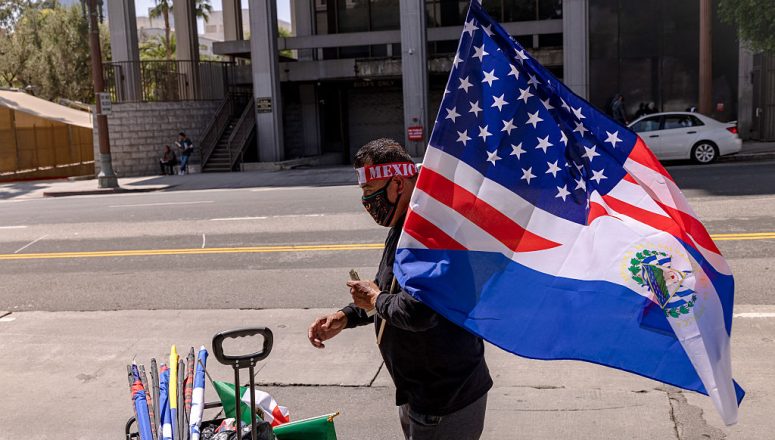
In formal writing or professional settings, it’s best to stick to one language. However, in conversation, music, social media, and storytelling, Spanglish thrives. It’s everywhere—from Reggaetón and pop lyrics to sitcoms, memes, and even bilingual ads on TV.
Spanglish in Music
One of the places where Spanglish truly shines is in music. From Reggaetón and Latin trap to pop and hip-hop, artists have been mixing Spanish and English in lyrics for years. This blend is not just for style; it’s a powerful way to reflect cultural identity, reach wider audiences, and maintain authenticity.
Notable Examples of Spanglish in Music
‘MAMIII’ – Becky G & Karol G
“Llegué pa’l party, saca la botella
La que te quería, no sé quién es ella
Te dejé el review, no te puse ni una estrella
Y te olvidé porque no dejaste huella”
‘Taki Taki’ – DJ Snake ft. Ozuna, Selena Gomez & Cardi B
“Porque I am the party, yo soy fiesta
Blow out your candles, have a siesta
They can try, pero no one can stop me”
‘Livin’ la Vida Loca’ – Ricky Martin
“She’s livin’ la vida loca
She’ll push and pull you down
Livin’ la vida loca
Her lips are devil red”
These songs switch between languages effortlessly, sometimes mid-line, allowing listeners to connect with both parts—whether they’re fluent in one language, the other, or both. Spanglish becomes a way to include everyone, while staying true to the artist’s bilingual or bicultural roots.
In a globalized world, Spanglish in music isn’t just popular—it’s relevant, real, and representative of how many people speak, live, and feel. For many, speaking Spanglish isn’t about choosing one culture over another; it’s about embracing both. It’s the sound of borders blurring, generations connecting, and identities evolving.
